
New Pan in Your Kitchen? 6 Essential Steps to Make It Last for Years
Buying a new pan is an investment in everyday cooking. Proper use and care from the very first day help preserve the non-stick surface, appearance, and performance of your pan for years. This practical guide walks you through the most important steps to ensure long-lasting results.
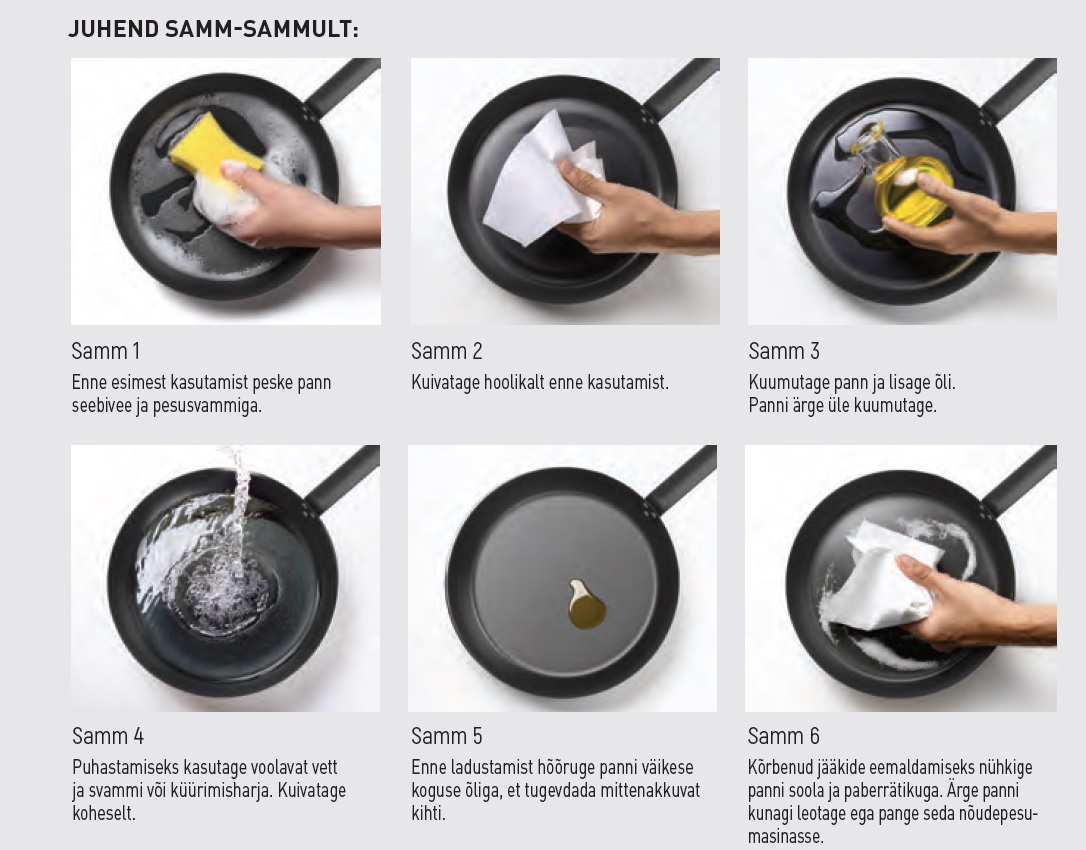
1. Wash the pan before first use
Before cooking, wash your new pan using dishwashing detergent and a soft sponge or cloth. This removes manufacturing and packaging residues and ensures safe, hygienic use.
2. Dry thoroughly
After washing, dry the pan completely. Moisture left on the surface can affect heating performance and may cause stains or surface damage over time.
3. Heat gently and add oil
Place the pan on the stove and heat it over medium heat. Add a small amount of oil to help protect and condition the non-stick coating. Avoid overheating, as excessive heat can permanently damage the surface.
4. Clean the pan after each use
After cooking, rinse the pan under running water. Use a soft sponge or dish brush if needed. Avoid abrasive cleaners or steel wool, as they can scratch the coating. Always dry the pan immediately after washing.
5. Maintain the non-stick surface
Before storing the pan, rub a thin layer of oil over the cooking surface. This helps maintain the non-stick properties and protects the pan during periods of non-use.
6. Remove burnt residue safely
If food residue becomes burnt onto the pan, sprinkle a small amount of salt on the surface and wipe it off with a paper towel.
Important: never wash your pan in the dishwasher, as this can damage the coating and significantly shorten its lifespan.
Common mistakes to avoid
-
Overheating the pan
-
Washing the pan in the dishwasher
-
Using metal utensils
-
Storing the pan while still wet
Avoiding these mistakes will help preserve both performance and appearance.